Restoring PAX5 Balance as a Therapy Against Lymphoblastic Leukaemia
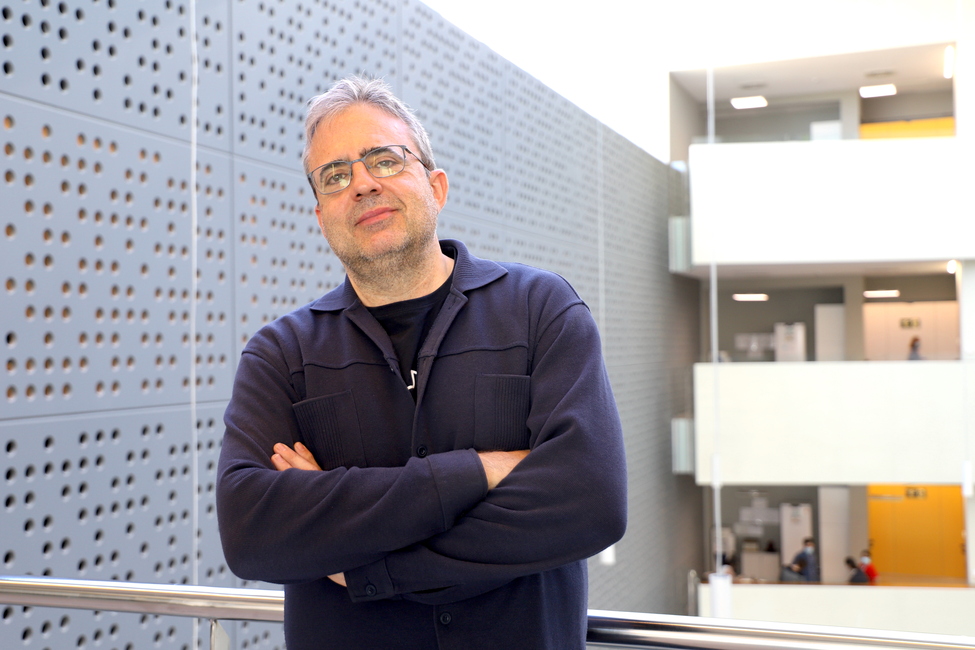
A project led by Dr Alejandro Vaquero aiming at developing new tools in the fight against B-cell acute lymphoblastic leukaemia has received support from the CaixaResearch programme of the La Caixa Foundation, which will fund the research with nearly one million euros. The researcher from the Josep Carreras Leukaemia Research Institute will explore ways to stabilize the expression of the PAX5 protein in leukemic cells as a therapeutic tool.
The CaixaResearch Health Research 2025 call, promoted by “La Caixa” Foundation in collaboration with the Fundação para a Ciência e a Tecnologia (FCT), has selected 34 new biomedical and health projects submitted by research centres and universities in Spain and Portugal. In this way, both institutions reaffirm their support for cutting-edge research by funding innovative ideas with great potential to positively impact public health.
Among the selected projects, the one presented by Dr Alejandro Vaquero and Dr Eduardo Domínguez stands out. The researchers, from the Josep Carreras Leukaemia Research Institute and the Health Research Institute of Santiago de Compostela, respectively, will expand Dr Vaquero's latest discoveries on the role of the PAX5 protein in the development of acute lymphoblastic leukaemia.
The research team will count with the key participation of the Josep Carreras Foundation as Civil Society Organisation, the link of the project with patients and citizens at broad, and researchers Dr Pablo Menéndez and Dr Josep Maria Ribera, leaders in translational and clinical research on this disease also members of the Josep Carreras Institute.
Restoring PAX5 as a therapeutic tool
B-cell acute lymphoblastic leukaemia (B-ALL) is the most common cancer in children and a serious threat to adults. Although treatments have improved, many relapses still occur, especially in patients with aggressive forms of the disease. PAX5 is a crucial factor in B-cell development and is typically less abundant in patients with B-cell acute lymphoblastic leukaemia (B-ALL). Laboratory models have demonstrated that it is possible to reverse leukaemia by enhancing PAX5 function, but until now, no effective treatment targeting this protein has been developed.
This project investigates a novel therapeutic strategy, based on a mechanism previously identified by the project team, that regulates the stability and activity of the PAX5 protein. Instead of acting directly on PAX5, this strategy aims to activate a regulatory factor that improves PAX5 stability and function. The project team has shown that this factor cooperates with PAX5 in both normal and leukemic cells, and that a higher level of this regulator is correlated with better patient outcomes.
To harness the therapeutic potential of this strategy, the project researchers will validate the relevance of this mechanism in B-ALL patients and conduct a wide range of studies in preclinical models to identify pathways for its safe and effective activation. The ultimate goal is to restore the protective function of PAX5 and prevent – or even reverse – the progression of the disease.