VulnerAM project seeks new vulnerabilities in aggressive myeloid leukaemias
Dr Lucas Pontel, Head of the Cancer Metabolism Laboratory at the Josep Carreras Leukaemia Research Institute, has secured funding from Spain’s Ministry of Science, Innovation and Universities to develop a research project aimed at identifying new therapeutic vulnerabilities in acute myeloid leukaemia (AML) with alterations in DNA repair mechanisms.
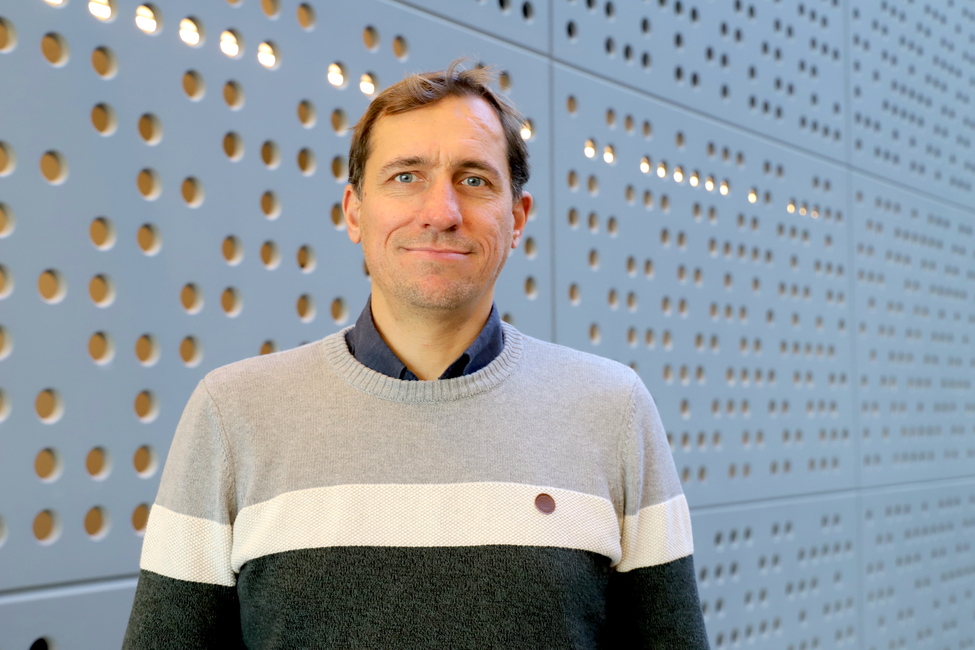
Acute myeloid leukaemia is one of the most aggressive forms of blood cancer and continues to have a poor prognosis, with high rates of relapse. In some patients, tumour cells harbour alterations in genes that normally act as guardians of the genome. Among these, TP53 is particularly important. It is one of the main genes involved in responding to DNA damage and preventing the expansion of genetically altered cells.
When these protective mechanisms fail, leukaemic cells can continue to proliferate despite accumulating DNA damage, a condition that would normally compromise cell survival. In certain contexts, this ability to tolerate genomic damage may promote tumour progression and contribute to treatment resistance.
The team led by Dr Lucas Pontel, Head of the Cancer metabolism research group at the Josep Carreras Leukaemia Research Institute, aims to understand how cells from aggressive leukaemias adapt to this condition, known as persistent genomic stress, and which mechanisms they exploit to survive, proliferate and resist treatment. Over the next two years, through the VulnerAM project, funded by the Ministry of Science, Innovation and Universities under the 2025 Research Consolidation Programme, the researchers will seek to identify specific vulnerabilities in these cells that could become new therapeutic opportunities for patients.
Cutting-edge technology
To achieve this, the team will employ advanced high-throughput genetic screening technologies based on CRISPR, a powerful genome-editing methodology that enables precise modification of cellular genetic information in the laboratory. Using this approach, the researchers will edit the genomes of cells in a range of preclinical models to determine which genes and metabolic pathways are essential for the survival of myeloid leukaemia cells with alterations in the systems that normally limit genomic damage.
These strategies will make it possible to uncover novel therapeutic targets and assess whether molecules capable of interfering with their function could form the basis of future treatments directed against the mechanisms that sustain tumour growth.
The project will also be particularly relevant for leukaemias arising in the context of rare inherited syndromes characterised by germline mutations affecting pathways that safeguard genomic stability, such as Fanconi anaemia. Patients with these conditions may develop myeloid leukaemias at a young age and currently have very limited therapeutic options, highlighting the urgent need for more selective and less toxic treatments.