The Josep Carreras Institute reshapes its scientific operational structure to meet blood cancer patients’ needs
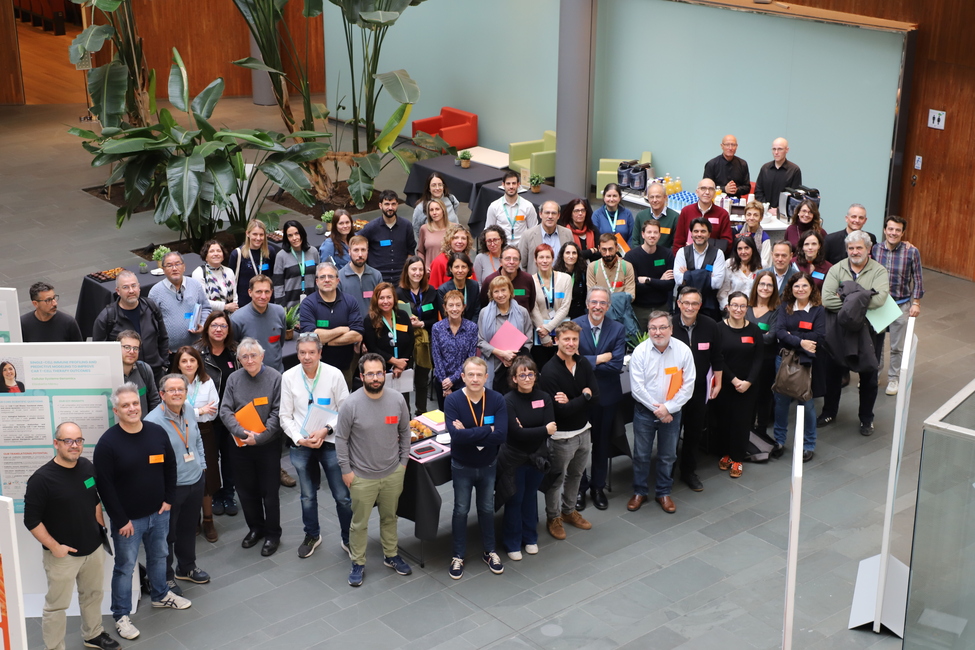
The Catalan haematology community, from clinicians to researchers, gathered last 20 and 21 February at the Josep Carreras Leukaemia Research Institute to define how they will work together towards the eradication of blood cancers. The result will be a new and unprecedented structure of integrated bench-to-bedside Working Groups, shaped around biological and clinical problems.
Science is evolving and moving beyond rigid pre-defined categories. Now, we know that fundamental biological processes and technologies transcend the traditional disease-based framework we used to work in. The point where all these disciplines converge is where we will find the answers blood cancer patients need. And the Josep Carreras Leukaemia Research Institute is decided to find them.
With this purpose, more than 70 haematology professionals, from clinicians to researchers and pathologist, diagnostic experts and computational scientist, met last 20 and 21 February 2026 at the Josep Carreras Institute for the Working Groups Design Sprint. Through a structured and highly cooperative series of activities, participants discussed the themes, operating model and functions of the future Working Groups. The structure of the meeting was designed to bring together different perspectives, address questions together and build a shared understanding that underpins the new operational framework of the Institute.
To support and inspire the process, the event included the keynote lecture of Dr Ross Levine, an internationally recognised expert in haematological malignancies and member of IJC’s Scientific Advisory Board. Dr Levine led the creation of highly integrated translational research groups at the Memorial Sloan Kettering Cancer Center and shared his insights and recommendations about the process.
The soon-to-be formed Working Groups will be organised around the biological and clinical challenges the Institute aims to address. The transversal character of these WG will enable to integrate basic science, diagnostics and clinical research into systems translating discovery into patient impact. By aligning with Path2Cure and the Center for 22nd Century Diagnostics (C22D), the other two key pillars of the new IJC’s strategy, these teams will benefit from coordinated translational platforms, enhanced infrastructure, and new funding opportunities focused specifically on accelerating impactful science.
The mission of eradicating blood cancers requires strong cooperation of complementary institutions, from research centres to hospitals. The Working Groups’ structure aims to amplify impact across Catalan institutions, promoting inclusiveness, synergy and non-hierarchical collaboration. It also aligns with theme-based and transversal structures with translational focus prioritised by European and national funding entities.
“We have come together to work for our patients, to accomplish the mission that we have,” emphasises Dr Ari Melnick, IJC Director. “The way to do that is to form working groups where we integrate the most powerful scientific research with the best-designed clinical trials, enabling us to discover new drugs, discover new treatments and develop therapeutic regimens that have the chance of truly curing the disease. It is by the combined brainpower of all these experts who work in all these different areas that we can do an especially impactful job of achieving our goal.”
The WG Design Sprint marks a decisive step forward in accelerating the path towards a future without blood cancers. The unified effort demonstrated during the event reaffirms the Josep Carreras Institute’s commitment to its mission and to bringing renewed hope to patients and families facing the disease.